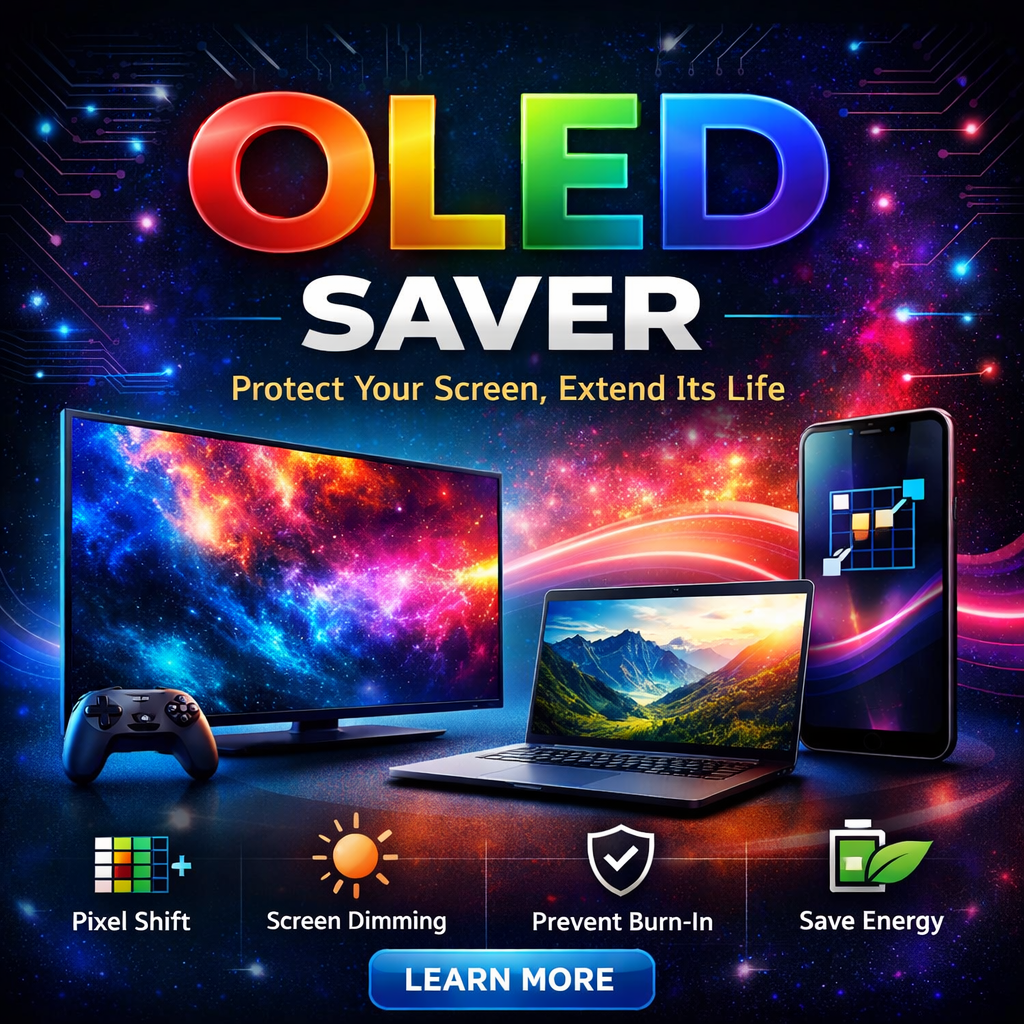
Introduction OLED Saver
OLED Saver is an essential concept for anyone who owns an OLED TV, smartphone, monitor, or laptop and wants to protect their screen investment for the long term. OLED displays are famous for their deep blacks, vibrant colors, and excellent contrast, but they also come with a common concern: burn-in and image retention. An is not just a single app or feature; it is a combination of smart technologies, settings, habits, and tools designed to reduce burn-in risk, maintain uniform brightness, and extend the overall lifespan of OLED panels. Understanding how an works can help users enjoy premium display quality without fear of permanent screen damage.
What Is an OLED Saver and Why It Matters
An OLED saver refers to any built-in feature, software solution, or usage method that helps prevent OLED burn-in and uneven pixel wear. Unlike LCD screens, OLED panels use organic pixels that emit their own light, and over time, these pixels can degrade at different rates. Static images like logos, navigation bars, or taskbars can cause certain pixels to age faster, leaving a permanent shadow on the screen. technologies matter because OLED devices are expensive, and replacing a damaged panel often costs nearly as much as buying a new device. By using features properly, users can protect their screens and maintain display quality for many years.
How OLED Burn-In Happens and the Role of OLED Saver
Burn-in occurs when static elements stay on the screen for long periods at high brightness levels. Examples include TV channel logos, video game HUDs, news tickers, and smartphone status bars. Over time, the pixels showing these elements lose brightness faster than surrounding pixels. An works by reducing the stress on these pixels through techniques like pixel shifting, screen dimming, logo brightness reduction, and automatic screen refresh cycles. These methods distribute pixel usage more evenly, minimizing visible burn-in and ensuring consistent image quality across the display.
Built-In OLED Saver Features in Modern Devices
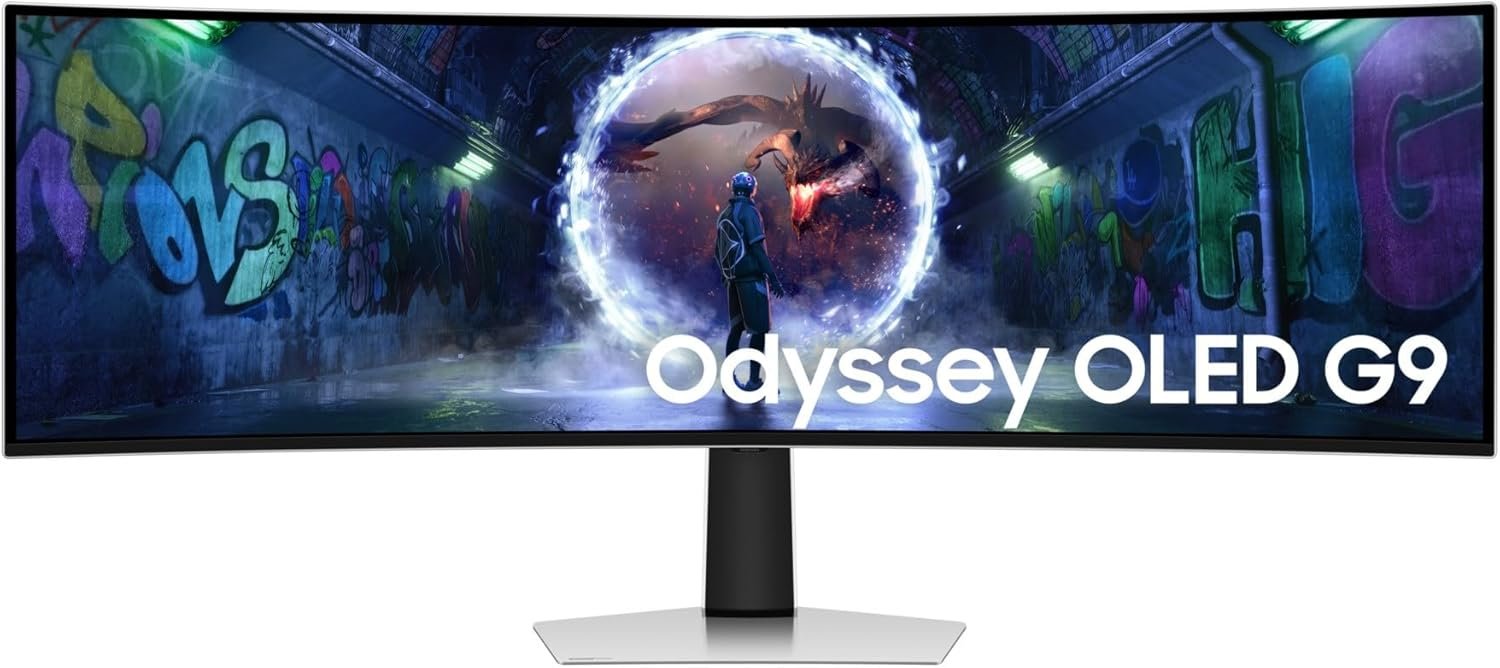 Most modern OLED Saver TVs and smartphones come with built-in OLED saver features enabled by default. These include pixel shifting, where the image moves slightly over time so the same pixels are not constantly used for static content. Another common feature is logo luminance adjustment, which detects static logos and reduces their brightness automatically. Screen dimming and sleep timers also act as by turning off or dimming the display when not in active use. Some TVs include panel refresh or pixel refresh cycles that recalibrate pixel brightness to maintain uniformity. These built-in tools work silently in the background and play a major role in extending screen life.
OLED Saver Apps and Software Solutions
In addition to built-in features, OLED saver apps and software tools are available for smartphones, PCs, and monitors. These apps can hide static navigation bars, apply dark overlays, or automatically dim parts of the screen that remain unchanged. For Android devices, apps often use dark themes and pixel-off techniques to reduce power usage and pixel wear. On computers, software may include dynamic wallpapers, auto-hide taskbars, and screen timeout controls. Using reliable apps can further reduce burn-in risk, especially for users who work long hours on static screens.
Best OLED Saver Settings for TVs and Monitors
Optimizing settings is a powerful OLED saver strategy. Lowering overall brightness, enabling automatic brightness control, and using eco or cinema modes can significantly reduce pixel stress. Turning on pixel shift and logo dimming features is essential for OLED TVs. Avoiding vivid or dynamic picture modes for daily viewing also helps preserve pixel health. For monitors, using screen savers, auto-hide taskbars, and dark mode interfaces are effective techniques. Small setting adjustments can make a big difference in preventing long-term damage.
OLED Saver Tips for Smartphones and Tablets
Smartphones and tablets with OLED screens benefit greatly from habits. Using dark mode across apps and system settings reduces the number of lit pixels, which directly lowers pixel wear. Reducing screen timeout duration, avoiding static wallpapers, and minimizing maximum brightness are simple but effective OLED saver practices. Rotating wallpapers and using gesture navigation instead of fixed buttons can also reduce static elements. These daily habits act as a personal system that protects the screen without affecting usability.
OLED Saver for Gaming and Streaming
Gaming and streaming are two major use cases where OLED saver strategies are crucial. Video games often display static HUD elements, while streaming platforms may show logos or subtitles in fixed positions. Enabling HUD transparency, using in-game options, and taking regular breaks can reduce burn-in risk. For streaming, varying content, switching channels, and avoiding long sessions with static menus are recommended practices. Many modern OLED TVs include gaming-specific features that automatically adjust brightness and pixel behavior during extended play sessions.
Myths and Facts About OLED Saver and Burn-In
There are many myths surrounding OLED saver technology. One common myth is that burn-in happens quickly, but in reality, modern OLED panels are much more resistant thanks to advanced features. Another misconception is that settings ruin picture quality, when in fact, most adjustments are subtle and unnoticeable during normal viewing. The fact is that tools are designed to balance performance and protection, allowing users to enjoy premium visuals while safeguarding their screens.
OLED Saver and Energy Efficiency Benefits
An added advantage of using OLED saver techniques is improved energy efficiency. Dark mode, reduced brightness, and pixel-off areas consume less power on OLED screens. This not only protects pixels but also extends battery life on mobile devices and reduces electricity usage on TVs and monitors. strategies therefore benefit both screen longevity and energy savings, making them a smart choice for environmentally conscious users.
Future of OLED Saver Technology
OLED saver technology continues to evolve as manufacturers improve panel materials and software algorithms. Newer OLED displays use more durable organic compounds and advanced compensation cycles to reduce uneven aging. AI-based systems are being developed to analyze viewing patterns and adjust pixel usage dynamically. As OLED technology advances, features will become even more effective, making burn-in a rare issue for most users.
Conclusion
OLED saver strategies are essential for anyone who wants to protect their OLED display and maximize its lifespan. From built-in features and apps to smart settings and daily habits, an approach ensures consistent picture quality and long-term reliability. By understanding how tools work and applying best practices, users can enjoy stunning OLED visuals without worry. Investing a little time in optimization today can save significant costs and frustration in the future, making it a must-know topic for all OLED device owners.
You Many Also Read: Zaheer Iqbal Net Worth