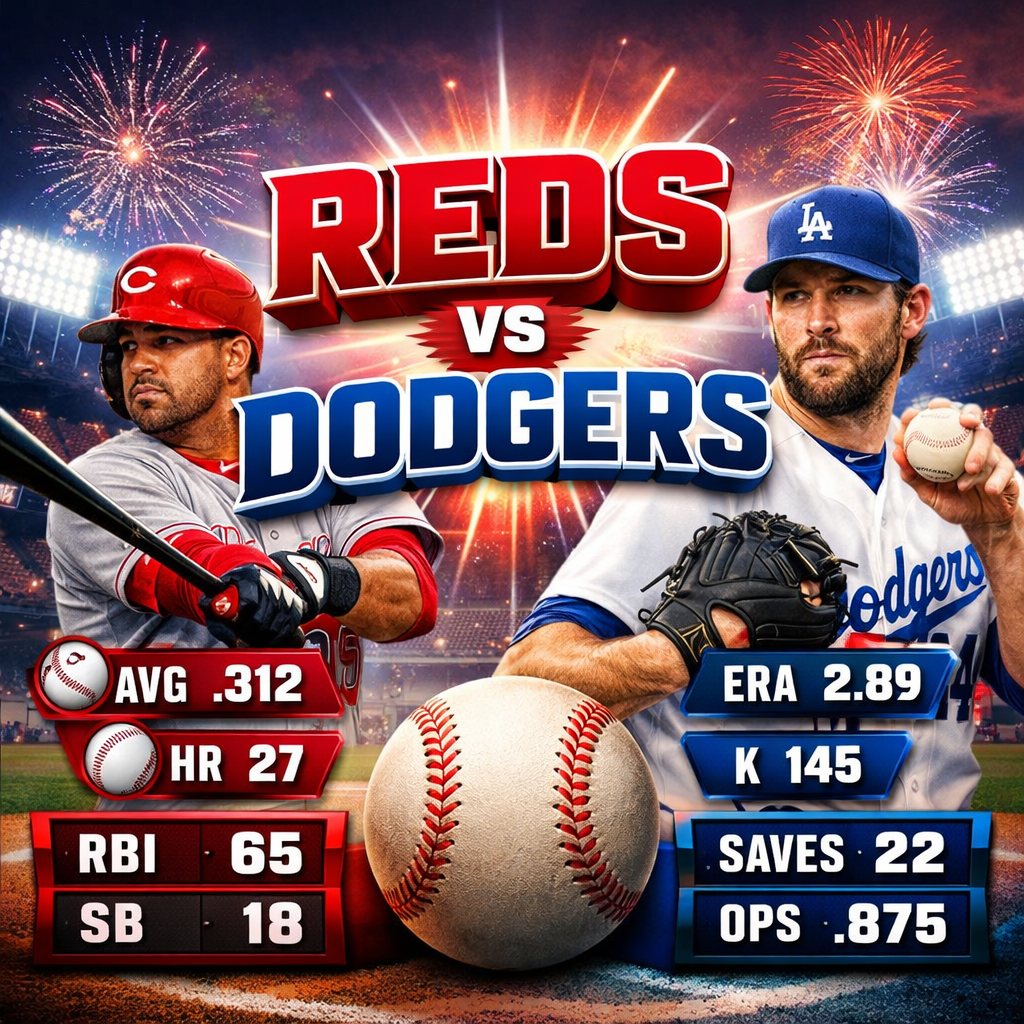
Introduction to Cincinnati Reds vs Dodgers Match Player Stats
When analyzing Cincinnati Reds vs Dodgers Match Player Stats baseball fans get a detailed look at how two historic National League franchises stack up in pitching, hitting, fielding, and clutch performance. Every meeting between these clubs blends tradition, star power, and statistical intrigue. From explosive home run totals to dominant strikeout performances, the numbers often tell a compelling story that goes beyond the final score.
The Cincinnati Reds vs Dodgers Match Player Stats one of the oldest professional baseball teams, often rely on young athletic talent and speed, while the Dodgers consistently showcase depth, power, and elite pitching. Match player stats from their head-to-head games reveal contrasting styles—Cincinnati pushing aggressive base running and situational hitting, and Los Angeles leaning on disciplined at-bats and bullpen efficiency.
Starting Pitching Performance and Game Control
One of the most critical areas in Cincinnati Reds vs Dodgers match player stats is starting pitching. The Dodgers frequently send high-strikeout arms to the mound, aiming to control tempo early. Their starters typically record strong innings pitched totals, low WHIP (walks plus hits per inning pitched), and high strikeout-to-walk ratios.
On the Reds’ side, starting pitchers often focus on inducing ground balls and limiting extra-base hits. In recent matchups, Reds starters have shown resilience by navigating deep batting orders, though pitch count management becomes crucial against a patient Dodgers lineup. Key pitching stats in these games include first-pitch strike percentage, opponent batting average, and efficiency with runners in scoring position.
When Dodgers starters command the strike zone early, they force Reds hitters into defensive swings, leading to soft contact. Conversely, when Reds pitchers establish off-speed pitches effectively, they can disrupt the Dodgers’ power rhythm.
Offensive Production and Batting Averages
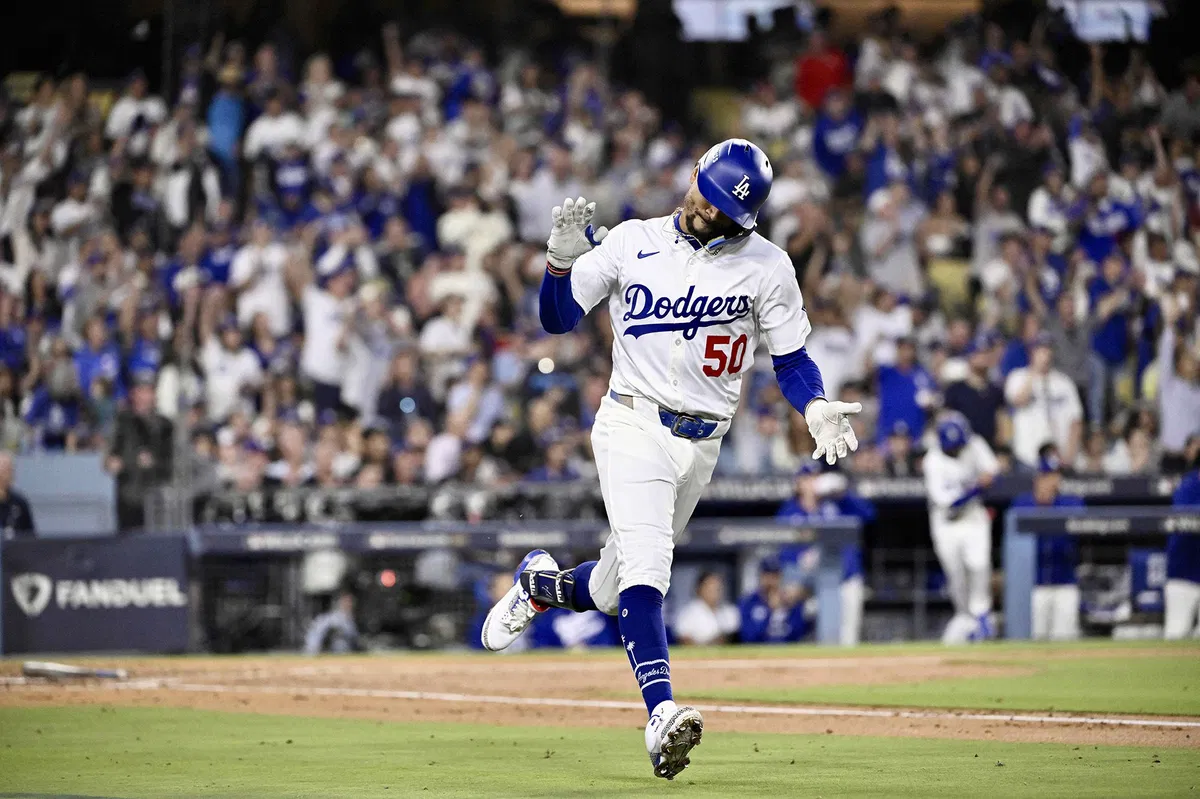 Offensive production is always central to Cincinnati Reds vs Dodgers Match Player Stats. The Dodgers often enter matchups with a higher team batting average and on-base percentage. Their hitters excel at drawing walks, extending innings, and capitalizing on mistakes over the plate.
The Reds counter with speed and emerging power. In head-to-head meetings, Cincinnati hitters often rely on aggressive early swings, attempting to jump ahead before elite Dodgers pitching settles in. Individual player stats such as batting average, on-base percentage, slugging percentage, OPS (on-base plus slugging), and total bases frequently determine momentum swings.
Multi-hit games from top-order batters significantly influence outcomes. A leadoff double followed by timely singles can quickly change the complexion of a matchup, especially in tight contests decided by one or two runs.
Power Hitters and Home Run Impact
Home runs are often game-changers in Cincinnati Reds vs Dodgers match player stats. The Dodgers traditionally rank among league leaders in home runs, with middle-of-the-order sluggers delivering consistent power. Their ability to turn a single mistake pitch into a two- or three-run homer puts immediate pressure on Reds pitching.
The Reds, however, have developed young power threats capable of matching long-ball production. In several recent meetings, Cincinnati’s lineup has demonstrated the ability to clear the fences, particularly in hitter-friendly conditions. Home run totals, exit velocity, launch angle, and hard-hit percentage are increasingly relevant in evaluating performance.
When both teams trade home runs, games often transform into high-scoring duels. In lower-scoring matchups, a single timely homer can prove decisive.
Bullpen Depth and Late-Inning Execution
Late innings frequently determine Cincinnati Reds vs Dodgers match player stats narratives. The Dodgers are known for deep bullpens, featuring relievers with high strikeout rates and minimal walk numbers. Their late-inning specialists typically maintain low ERA figures and strong save conversion rates.
The Reds bullpen, meanwhile, has shown flashes of dominance but sometimes struggles with consistency. Key bullpen statistics include inherited runners scored, save percentage, holds, and strikeouts per nine innings. In tight contests, the ability to strand runners or escape bases-loaded jams becomes critical.
When Dodgers relievers execute efficiently in the eighth and ninth innings, they shorten games significantly. Reds relievers must rely on pitch location and defensive support to neutralize Los Angeles’ disciplined hitters.
Defensive Metrics and Fielding Efficiency
Defense plays a subtle yet powerful role in Cincinnati Reds vs Dodgers match player stats. Fielding percentage, defensive runs saved, and double-play conversions can swing momentum quickly. The Dodgers often showcase strong infield coordination and outfield range, limiting extra-base opportunities.
The Reds, known for athletic defenders, can generate key outs through speed and anticipation. Diving catches, accurate throws from the outfield, and well-timed double plays frequently appear in post-game stat summaries.
Errors in tightly contested games can prove costly. A single misplayed ground ball may extend an inning, leading to multiple unearned runs. Clean defensive performances often correlate directly with victories in these matchups.
Head-to-Head Statistical Trends
Analyzing historical Cincinnati Reds vs Dodgers match player stats reveals broader trends. The Dodgers often hold advantages in cumulative team ERA and slugging percentage over extended periods. However, the Reds occasionally outperform expectations in home games, leveraging crowd energy and familiarity with ballpark dimensions.
Seasonal splits also matter. Day versus night performance, home versus away batting averages, and interdivision travel fatigue can subtly influence results. Statistical patterns sometimes show the Reds performing better in early-season meetings, while the Dodgers’ depth becomes more pronounced later in the year.
These trends highlight how context influences player output beyond individual talent alone.
Clutch Performance with Runners in Scoring Position
Clutch hitting is a defining component of Cincinnati Reds vs Dodgers match player stats. Batting average with runners in scoring position often separates winners from losers. The Dodgers’ disciplined approach frequently leads to productive outs, sacrifice flies, and well-placed singles.
The Reds rely on aggressive contact and speed to pressure defenses. In close games, situational awareness becomes crucial. A perfectly executed hit-and-run or a sharp single through the infield can break open a stalemate.
Pitchers also face heightened pressure in these moments. Strikeout totals in high-leverage situations often reflect composure and command under stress.
Base Running and Speed Influence
Speed adds another dimension to Cincinnati Reds vs Dodgers match player stats. The Reds traditionally emphasize stolen bases and first-to-third advancement. Stolen base attempts, success rate, and extra bases taken percentages highlight Cincinnati’s aggressive style.
The Dodgers, while not always leading in stolen bases, excel in smart base running decisions. They minimize outs on the bases and capitalize on defensive lapses.
A well-timed steal or aggressive tag-up can shift momentum and force pitchers to alter their delivery mechanics, sometimes leading to mistakes over the plate.
Advanced Analytics and Modern Metrics
Modern analysis enhances Cincinnati Reds vs Dodgers match player stats beyond traditional numbers. Metrics such as WAR (Wins Above Replacement), wRC+ (weighted runs created plus), FIP (fielding independent pitching), and expected batting average provide deeper evaluation.
Dodgers players often rank highly in advanced metrics due to balanced contributions across offense and defense. Reds players, especially young standouts, frequently show strong underlying metrics that indicate breakout potential even if traditional averages fluctuate.
These advanced stats allow analysts to predict sustainability of performance rather than relying solely on short-term results.
Managerial Strategy and Statistical Impact
Managerial decisions significantly shape Cincinnati Reds vs Dodgers match player stats. Pitching changes, defensive shifts, lineup construction, and pinch-hitting choices all influence individual numbers.
The Dodgers often utilize matchup-based bullpen rotations, maximizing platoon advantages. The Reds may lean into speed-based tactics, including bunts or hit-and-run plays.
Strategic substitutions can alter late-game stat lines, transforming a quiet performance into a decisive contribution.
Key Player Matchup Comparisons
Individual matchups frequently define Cincinnati Reds vs Dodgers match player stats. When a power hitter faces a high-velocity pitcher, strikeout totals and slugging percentages become focal points. Left-handed versus right-handed splits also influence outcomes.
Comparisons between team leaders in home runs, RBIs, strikeouts, and ERA offer fans a snapshot of competitive balance. Head-to-head pitcher-batter histories sometimes reveal psychological advantages or tactical adjustments.
These micro-battles create compelling statistical narratives within the broader game.
Impact of Ballpark and Environment
Ballpark conditions can influence Cincinnati Reds vs Dodgers match player stats dramatically. Weather, altitude, and field dimensions all affect scoring patterns. Wind direction may enhance or suppress home run potential, while temperature influences ball carry.
Players often display noticeable splits depending on venue. Some hitters thrive in spacious outfields, while others benefit from shorter power alleys. Pitchers adjust approach accordingly, focusing on ground balls or fly-ball suppression based on environmental factors.
Understanding venue-based statistics provides deeper insight into scoring fluctuations.
Season Implications and Standings Context
Beyond individual performances, Cincinnati Reds vs Dodgers Match Player Stats often carry playoff implications. Late-season meetings can influence division races or wild card positioning. As stakes rise, pressure intensifies, and performance metrics reflect that urgency.
Dodgers players frequently show consistent production under postseason-style intensity. Reds players, particularly younger contributors, gain valuable experience in high-pressure scenarios.
Statistical evaluation within standings context helps measure the true impact of each matchup.
Conclusion
Cincinnati Reds vs Dodgers Match Player Stats consistently highlight contrasting strengths—youthful speed versus established power, aggressive base running versus patient discipline, and developing pitching versus seasoned depth. Each matchup produces a layered statistical narrative that extends beyond the scoreboard. From starting pitcher dominance to late-inning bullpen execution, from clutch hitting to defensive precision, the numbers reveal why these games captivate baseball fans. As both teams continue evolving with emerging stars and strategic innovation, future match player stats will undoubtedly add new chapters to this compelling National League storyline.
You Many Also Read: 49ers vs Seahawks Match Player Stats